

Sewage Cleanup in Fort Collins, Colorado
When sewage backs up into a basement, bathroom, laundry room, crawl space, or business, contaminated water can spread through floors and lower wall areas. Our team removes wastewater, cleans affected surfaces, and helps plan the repairs that follow. We help homeowners, landlords, property managers, and commercial property owners protect their buildings and contents.
Keep children and pets away from the affected area. Do not touch standing sewage or track it through the building. If it is safe, stop the source without entering contaminated water, then call us for a safety assessment. Our technicians use personal protective equipment and set safe work limits around the loss.
We begin by checking the source and the safety concerns at the property. A drain blockage, failed pipe, damaged sewer lateral, sump problem, or heavy rain changes the cleanup plan. We control the source before removing wastewater whenever it is safe to do so.
Need Restoration Help in Fort Collins? Call (970) 602-4411
We inspect the source, the path the wastewater took, and the materials it reached before extraction begins. Our IICRC certified techs take photos, record moisture readings, and explain the work clearly. That documentation helps you understand which materials need cleaning, drying, removal, or later repair.
How Our Sewage Cleanup Process Works
Next, we use extraction equipment to remove sewage and standing water. We inspect carpet, pad, drywall, insulation, flooring, baseboards, cabinets, framing, and contents. Materials that cannot be safely cleaned are removed and documented so contaminated material does not remain hidden under finishes or inside wall spaces.
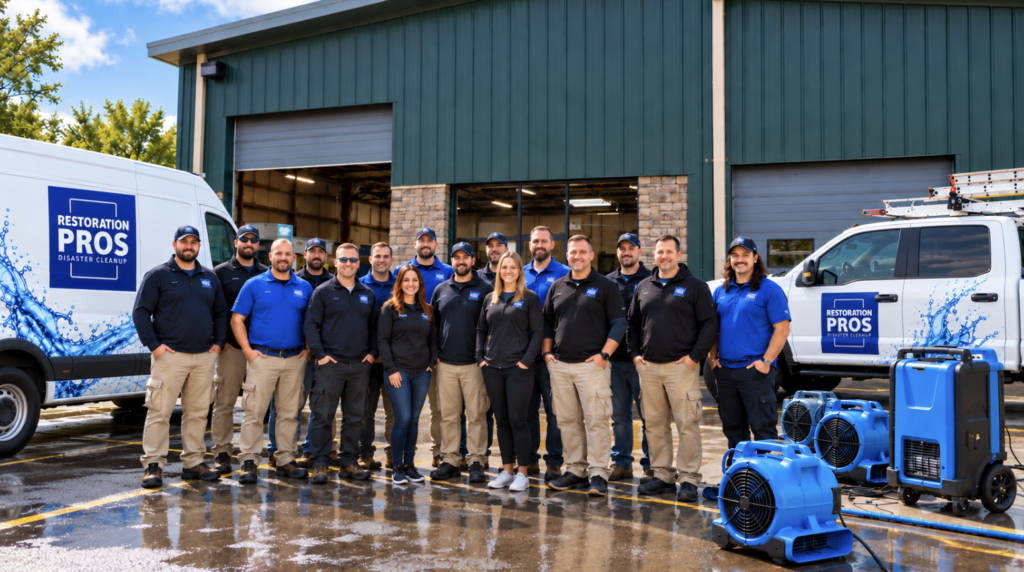
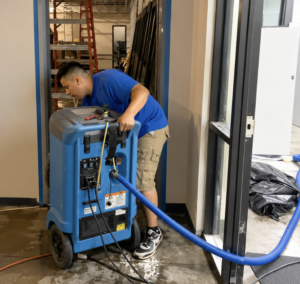
We clean and disinfect surfaces that can remain in place. Containment keeps the affected area separated from clean rooms. After cleaning, we place air movers, dehumidifiers, and air scrubbers based on the site conditions. Moisture meters help us check walls, floors, framing, and other materials as the building dries.
Our team monitors the drying work and records changes in the affected materials. After cleanup and drying, we review repair needs with you. Repairs may involve drywall, flooring, trim, insulation, or other finishes. We explain what we found and keep the records organized for your property files.
Commercial Sewage Cleanup in Fort Collins
Commercial properties often have occupied areas, shared plumbing, stored contents, and several rooms connected to the affected space. Our crew plans equipment placement and work zones around safe access, employee movement, and areas that need to remain open. Offices, storefronts, restaurants, warehouses, and mixed-use buildings may also need moisture records for owners, managers, and repair teams.
In multifamily buildings, a sewage backup can affect shared walls, floors, utility spaces, and more than one unit. We coordinate the work area with the property manager and keep communication clear for affected occupants. For businesses along College Avenue and other busy Fort Collins corridors, planning parking, equipment delivery, and access before work starts helps limit disruption.
Water Damage Cleanup Pricing
Sewage cleanup pricing depends on the source, affected materials, contamination, access, and drying needs. We inspect the property first and explain the recommended work before cleanup begins.
- Small water loss: $1,000–$3,000
- Moderate water loss: $3,500–$7,500
- Large water loss: $10,500–$15,000+
These prices are general reference points and are not a quote or estimate for a specific property. Actual restoration costs depend on the source and category of water, affected square footage, materials involved, length of exposure, equipment needs, demolition, cleaning, drying time, and repairs. A complete price estimate requires an onsite inspection because the final scope depends on the actual conditions at the property.
Frequently Asked Questions
Is sewage water safe to clean up myself?
No. Keep people and pets away from the affected area and avoid touching standing sewage. Contaminated water can spread through flooring, walls, and contents, so our technicians assess the source, establish safe work limits, and use protective equipment.
What should I do before the cleanup team arrives?
Keep everyone out of the affected area and stop the source only if you can do so without entering contaminated water. Do not track wastewater into clean rooms or move contaminated contents through the building.
What causes a sewage backup?
Common causes include drain blockages, failed plumbing, damaged sewer laterals, sump problems, and heavy rain. We inspect the source because it affects the removal, cleaning, and drying plan.
Do contaminated materials always need to be removed?
No. We evaluate each material and remove items that cannot be safely cleaned. Carpet, pad, drywall, insulation, flooring, baseboards, framing, and contents are inspected based on where the wastewater traveled and how long they were exposed.
How do you dry a building after sewage removal?
We use moisture meters to track affected materials and place air movers, dehumidifiers, and air scrubbers based on site conditions. The crew records moisture changes so drying progress is clear.
Can sewage affect more than one room or unit?
Yes. Wastewater can travel through floors, wall spaces, shared plumbing areas, and connected rooms. In multifamily buildings, we inspect nearby units and common areas when the source or travel path indicates they may be affected.
Do you provide documentation for property managers?
Yes. Our team takes photos, records moisture readings, documents affected materials, and explains the work performed. These records help owners, managers, and repair teams plan the next steps.
Does sewage cleanup include repairs?
Sewage cleanup includes assessment, wastewater extraction, cleaning, disinfection, drying, and repair planning. After the affected area is clean and dry, we review needs such as drywall, flooring, trim, or insulation replacement.