

Water Damage Cleanup in Fort Collins, Colorado
When a pipe breaks, an appliance leaks, or stormwater enters your property, water can move under flooring, inside walls, and into finished spaces before the damage is easy to see. Our team removes standing water, traces hidden moisture, and works to limit additional damage to your home or building.
We help homeowners, landlords, property managers, and commercial property owners in Fort Collins. Our technicians work in houses, rental properties, condominiums, offices, retail spaces, warehouses, and other occupied buildings. We adjust the cleanup plan to the source, the affected materials, and the way the property is used.
Our normal process starts with an assessment and source control. We photograph affected areas, identify standing water, and determine how far the water has traveled. If water is still entering through a plumbing failure, roof leak, or other source, that problem must be controlled before drying can be completed.
Need Restoration Help in Fort Collins? Call (970) 602-4411
We begin by locating the source and documenting the condition of the property. Moisture mapping helps us check areas such as baseboards, flooring, cabinets, ceilings, and wall cavities. Our IICRC certified techs provide 24HR response, explain each stage of the work, and use controlled drying to support informed repair decisions.
How We Handle Water Damage
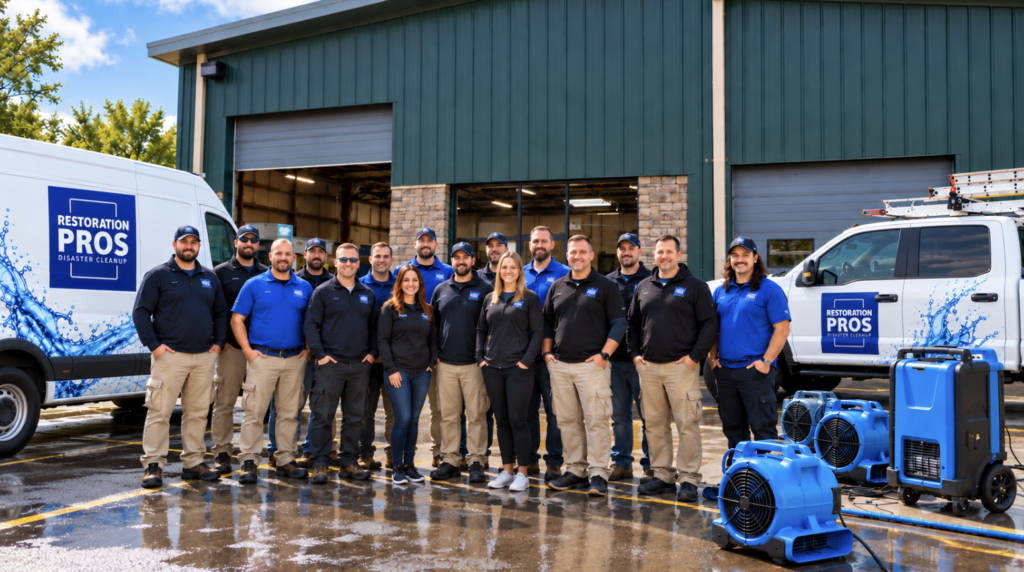
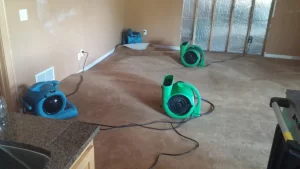
Next, we use extraction equipment for water removal. Air movers and dehumidifiers support structural drying, while moisture meters help us track water in drywall, insulation, flooring, cabinets, subfloor, framing, and contents. We record readings during monitoring and adjust equipment as the property dries.
After extraction and drying, we clean affected areas and review repair planning. Some carpet and contents can be cleaned, while damaged pad, drywall, insulation, flooring, or other materials may need removal. We explain the condition of each material and help organize the next steps for trim, paint, cabinets, flooring, and other repairs.
Commercial Water Damage Cleanup
Commercial water losses can affect equipment, inventory, loading areas, shared plumbing, and several tenant spaces at once. We plan access, equipment placement, occupant safety, documentation, and scheduling with property owners and managers. In an office, retail space, warehouse, or mixed-use building, the work is organized to protect unaffected areas and reduce disruption to ongoing operations.
Serving Fort Collins and Nearby Communities
We provide water removal, flood damage cleanup, structural drying, cleaning, and repair planning in Fort Collins and nearby Loveland, Wellington, Timnath, and Windsor. Access, parking, shared entrances, and tenant schedules can affect equipment placement, so we review those details as part of the assessment.
Moisture that remains after a loss can lead to further property concerns. When the condition supports it, our team can coordinate the next cleanup steps, including mold removal. Water released during a fire response may also require a separate scope, including fire damage cleanup. Contact our team for an assessment and a clear plan for moving the property toward normal use.
For immediate help with water damage in Fort Collins, call (970) 602-4411 to discuss what happened and the next steps for your property.
Water Damage Cleanup Pricing
Water damage cleanup costs depend on the source, affected materials, water volume, and drying needs. Our team assesses the property first and explains the work before restoration proceeds.
- Small water loss: $1,000–$3,000
- Moderate water loss: $3,500–$7,500
- Large water loss: $10,500–$15,000+
These prices are general reference points and are not a quote or estimate for a specific property. Actual restoration costs depend on the source and category of water, affected square footage, materials involved, length of exposure, equipment needs, demolition, cleaning, drying time, and repairs. A complete price estimate requires an onsite inspection because the final scope depends on the actual conditions at the property.
Frequently Asked Questions
What should I do first after water damage?
Stop the water source if it is safe to do so, keep people away from standing water, and contact our team for an assessment. Avoid using electrical equipment in wet areas and do not disturb materials until the affected areas have been checked.
What does water damage cleanup include?
Water damage cleanup includes assessment, source control, water extraction, moisture mapping, controlled drying, monitoring, cleaning, and repair planning. The exact work depends on the source of the water and the materials affected.
How do you find hidden moisture?
We use moisture meters and inspect areas such as flooring, baseboards, cabinets, ceilings, and wall cavities. Readings and visual observations help us determine where drying equipment is needed.
What equipment is used for structural drying?
Our technicians use extraction equipment, air movers, and dehumidifiers to remove water and reduce trapped moisture. Equipment placement changes as monitoring shows how the structure is drying.
Can carpet and flooring be saved after water damage?
Some materials can be cleaned and dried, while others need removal. We assess carpet, pad, flooring, subfloor, cabinets, and nearby materials based on the water source, condition, and moisture readings.
Do you help with commercial water damage?
Yes. We help commercial property owners and managers plan access, equipment placement, occupant safety, documentation, and scheduling. The work can include offices, retail spaces, warehouses, and mixed-use buildings.
What if the water came from flooding or a storm drain?
Keep away from the standing water and have the area assessed before cleanup begins. Floodwater and stormwater can contain contaminants, debris, or other unsafe materials that require careful handling.
How does the restoration process end?
After extraction, drying, and monitoring, we clean affected areas and review repair planning. We explain which materials need removal or repair and outline the next steps for returning the property toward normal use.